
Dubai’s real estate market is moving into a more balanced phase in 2026, following a period of strong growth and record activity. Instead of sharp spikes, the market is showing signs of maturity, supported by sustained demand, controlled supply, and long-term investor confidence.
With steady price movement, evolving rental trends, and increased buyer choice, 2026 presents a market shaped by data-driven decisions rather than speculation.
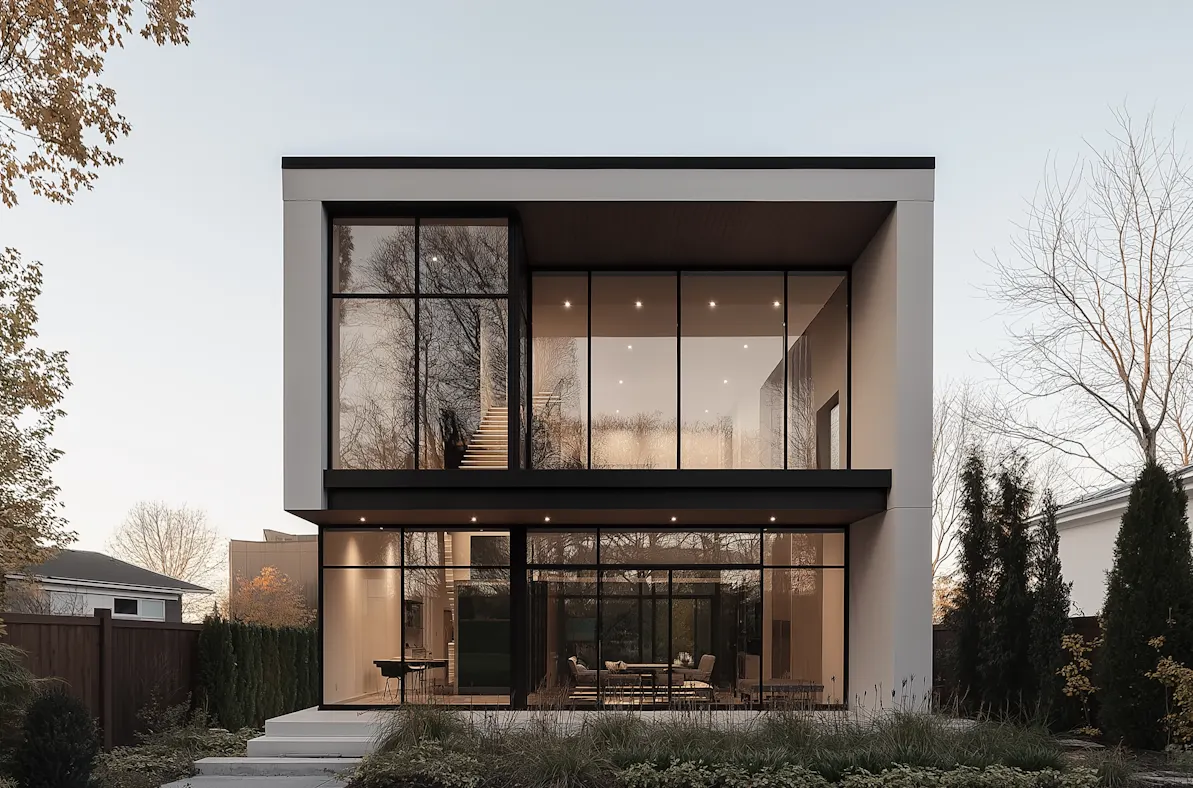
A Market Moving from Momentum to Maturity
Over the past few years, Dubai real estate experienced rapid growth across residential and off-plan segments. In 2026, that momentum is transitioning into a more balanced cycle. Price appreciation continues in key locations, but at a steadier pace that reflects a healthier, long-term market structure.
This shift benefits serious buyers and investors. Reduced volatility allows for better evaluation of assets, more negotiation room, and clearer entry points across prime and emerging communities.
Demand Remains Strong Across Key Segments
Dubai continues to attract professionals, entrepreneurs, and global investors due to its economic stability, residency incentives, and tax structure. Population growth and business expansion remain strong drivers of housing demand.
High-demand areas such as Downtown Dubai, Business Bay, Dubai Hills, and well-planned waterfront communities continue to see consistent interest. These locations benefit from infrastructure, connectivity, and lifestyle appeal, making them resilient even as the market normalizes.
Supply Is Expanding, But Strategically
A steady pipeline of new residential supply is expected in 2026. However, most new developments are spread across phases and timelines, reducing the risk of oversupply in established locations.
This controlled delivery creates healthier competition, improves quality standards, and gives buyers more choice. For investors, it reinforces the importance of selecting properties based on location strength, developer track record, and long-term demand rather than short-term pricing.
Rental Market Signals Stability and Opportunity
Rental demand remains strong, driven by population growth and continued inflow of expatriates. While rental increases may not match the sharp jumps seen in previous years, the outlook points toward steady performance rather than correction.
For investors, this stability supports predictable income and reduces exposure to sudden market shifts. Properties in well-connected, lifestyle-driven areas are expected to maintain healthy occupancy and rental yields through 2026.
Investor Behaviour Is Becoming More Disciplined
One of the most noticeable trends in 2026 is the change in investor behaviour. Buyers are increasingly focused on fundamentals such as:
Long-term capital growth
Rental demand sustainability
Location quality
Exit potential
Speculative buying is giving way to more structured investment strategies. This creates a stronger overall market and rewards investors who prioritise research and asset quality.
What This Means for Buyers and Investors
Dubai real estate in 2026 offers a favourable environment for those willing to take a measured approach. The market rewards clarity, patience, and disciplined selection rather than rushed decisions.
For end-users, this means more choice and better alignment between price and value. For investors, it presents opportunities to secure assets with long-term performance potential in a stable, globally connected city.
Final Thoughts
Dubai’s real estate market in 2026 is defined by stability, controlled growth, and smarter investment signals. As the city continues to attract global talent and capital, the focus shifts from rapid gains to sustainable value.
For buyers and investors seeking clarity and confidence, 2026 represents a strategic window to engage with a market built for long-term resilience.